Garden Design and Build in Bow
If you are looking for garden design and build in Bow, you probably want more than a quick tidy-up or a few plants in the ground. You may want a garden that works with the way you live, suits the character of your property, and makes better use of every bit of outdoor space available. In Bow, that often means dealing with compact urban plots, shared access, mews-style courtyards, Victorian and Edwardian terraces, modern apartment terraces, roof spaces, and family gardens that need to be attractive and practical.
A well-planned garden can transform how you use your home. It can create a place to relax after work, give children a safer play area, provide space for entertaining, support planting through the seasons, and even improve the overall feel of a property. For commercial premises, a clean and well-built outdoor area can also make a strong first impression for staff, visitors, customers, and tenants.
This page is for local customers in Bow who want a garden built with care, clear planning, and a sensible approach to design, materials, and access. Whether you need a full garden makeover, a front garden redesign, a new patio, a planting scheme, raised beds, lighting, or a complete outdoor build, choosing a local team means your project can be shaped around the realities of the area, not a one-size-fits-all template.
Why Bow Gardens Need Thoughtful Design

Bow is a part of East London where outdoor spaces vary widely. Some properties have narrow side returns or small rear gardens. Others have larger family plots, communal spaces, or balconies and roof terraces that need careful use of space. The right approach to garden design and build in Bow starts with understanding these different property types and what each one needs to function well.
In a built-up area, a garden is rarely just decorative. It needs to be accessible, low-maintenance if necessary, and durable enough for everyday use. Drainage, privacy, storage, sunlight, and easy movement through the space all matter. Without a clear plan, even a well-intentioned project can feel cramped, awkward, or expensive to maintain. A good design considers all these points from the beginning.
Local knowledge helps because Bow homes often face practical challenges such as limited parking, restricted access for materials, narrow pathways, and shared boundaries. Planning a garden build around those conditions saves time and reduces disruption. It also helps ensure that the finished space looks intentional, balanced, and suited to the property rather than forced into it.
What Garden Design and Build Can Include

Garden design and build is a joined-up service that takes your outdoor space from initial ideas to a finished garden. It may include layout planning, hard landscaping, soft landscaping, material selection, planting, and finishing details. For many Bow customers, the best results come from combining practical construction with a design that reflects how the space will actually be used.
Depending on the site and your goals, the work may include:
- New patios and paving
- Decking or composite decking
- Pathways and stepping routes
- Raised beds and planting borders
- Lawn installation or artificial grass
- Garden walls, edging, and retaining features
- Fencing, screening, and privacy solutions
- Outdoor lighting and feature details
- Storage areas and utility zones
- Drainage improvements and level changes
Some customers want a complete redesign, while others only need part of the garden rebuilt. For example, you may already like your planting but need a stronger patio, better drainage, or a more usable seating area. A flexible service makes it possible to focus on the areas that will improve the garden most.
Designing for Real Life in Bow
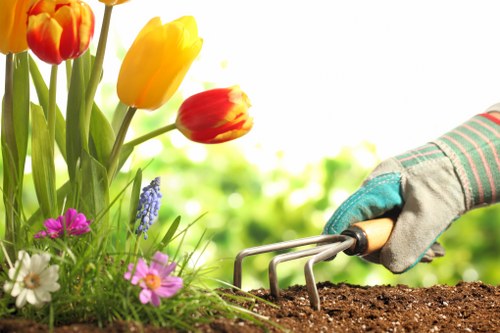
Good garden design should make everyday life easier. In Bow, that often means creating spaces that support family routines, outdoor dining, container gardening, or a quiet place to unwind after commuting or working from home. It may also mean designing for pets, children, or regular hosting rather than for occasional use only.
For compact gardens, the challenge is often how to make the area feel open without wasting space. Clean lines, layered planting, built-in seating, and carefully chosen materials can make a small garden feel much more generous. For larger spaces, the challenge may be zoning: creating distinct areas for eating, relaxing, planting, and play so the garden feels purposeful rather than empty.
In a local service like this, the design phase is not separate from the build. A practical plan considers where materials can be brought in, how long the work will take, how soil or waste will be removed, and what kind of finish is realistic for the space. That joined-up approach is especially useful in Bow, where access and logistics can affect almost every stage of the project.
How a Garden Design and Build Project Usually Works
Every garden is different, but a clear process helps keep the work organised and manageable. Customers often appreciate knowing what happens next, especially if they are balancing the project around work, family life, tenants, or business operations.
Most projects begin with a discussion of your aims: whether you want a new entertaining area, a more child-friendly layout, a modern low-maintenance garden, improved planting, or a complete transformation. From there, the space is assessed for practical factors such as levels, shade, drainage, existing structures, and access.
Once the overall direction is agreed, the design and build stages can move forward in a logical order. Materials are chosen, features are measured and planned, groundwork is prepared, and then the construction and planting take shape. That sequence matters because a well-built garden depends on the quality of the foundations just as much as the visible finish.
Typical stages may include:
- Initial site discussion and understanding your needs
- Assessment of the garden layout, ground conditions, and access
- Design ideas and recommended materials
- Preparation, clearance, and removal of unwanted features
- Groundworks, levelling, and drainage improvements
- Construction of patios, paths, walls, decking, or other features
- Planting, turfing, edging, and soft landscaping
- Final detailing and tidying of the completed space
For many customers, this structured approach is one of the biggest benefits of using a local team. It keeps the project moving, makes decisions easier, and reduces the risk of having to correct things later.
What Makes a Local Bow Team Valuable?

There are many reasons to choose a local company for garden design and build in Bow. Local teams are more likely to understand the property mix, the common access issues, and the style preferences that suit the area. They also know the practical realities of working in urban East London, from parking to material deliveries and careful waste removal.
Bow sits close to a mix of residential and commercial settings, which means outdoor spaces can range from private back gardens to shared courtyards, office entrances, retail exteriors, and hospitality areas. A local service can adapt to both domestic and business needs, whether the goal is a private family garden or a smart, low-maintenance outdoor area for visitors and staff.
Working locally also makes communication easier. If the project needs staging, phased work, or careful coordination with residents, landlords, managing agents, or businesses, a local team can often plan more smoothly around those requirements. That can make a noticeable difference in busy streets and tightly packed neighbourhoods.
Garden Types and Property Styles We Commonly Work With
Bow includes a wide variety of homes and buildings, and each one comes with its own design priorities. The garden design and build process should reflect the character of the property rather than ignore it. A rear garden attached to a Victorian terrace, for example, will not have the same opportunities as a high-level terrace outside a modern apartment.
Common project types include:
- Terraced house gardens that need better zoning, stronger paving, and good planting without taking away too much open space
- Family gardens that need a balance of hardwearing surfaces, lawn space, and child-friendly features
- Courtyards and compact plots where every metre needs to earn its place
- Roof terraces and balconies that need lightweight, attractive, and weather-aware planning
- Commercial outdoor spaces that need to look tidy, function well, and be easy to maintain
Not every garden needs a large number of features. Sometimes a simple redesign with improved paving, sharper edges, and a better planting scheme creates the biggest impact. Other spaces benefit from a more ambitious build, with multiple zones and structural elements. The key is designing the space around your priorities, not forcing it into a trend.
Materials and Features That Work Well
The materials you choose affect the appearance, durability, maintenance, and feel of the garden. For Bow properties, the best options are often those that combine a clean look with practical performance. Surfaces should suit the way the garden will be used, and planting should work with the light levels and exposure available.
Popular features often include:
- Porcelain or stone paving for a neat, contemporary finish
- Brickwork and retained edges for structure
- Timber or composite decking for raised entertaining areas
- Sleepers or rendered planters for modern planting beds
- Gravel zones for drainage-friendly texture and lower maintenance
- Built-in benches or seating ledges for compact gardens
- Soft planting combinations for seasonal interest and wildlife value
When a space needs to feel calm and uncluttered, a limited palette of materials is often best. When a garden needs more warmth or character, combining textures can help. A sensible design uses materials that complement the building, the light, and the surrounding area. That balance is what makes a finished garden feel settled rather than staged.
Hard landscaping and soft landscaping
Hard landscaping covers the built elements: paving, walls, steps, raised beds, edging, pergolas, fences, and similar structures. Soft landscaping refers to planting, turf, soil improvement, and the living parts of the garden. The strongest projects usually combine both. A patio without good planting can feel harsh, while a garden full of plants but lacking structure can be difficult to use.
In Bow, where many gardens are relatively enclosed, the mix of hard and soft landscaping can also affect how much light the garden reflects and how spacious it feels. Light-coloured paving, carefully placed greenery, and clear edges can all help create a brighter, more welcoming result.
What Is Included in the Service
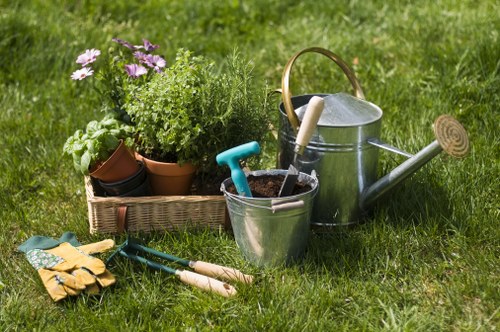
Customers often want to know exactly what a garden design and build service covers. While each project is different, a typical service can be tailored to include the planning, preparation, construction, and finishing needed to deliver a complete outdoor space.
Depending on your brief, the service may include:
- Site review and practical design input
- Suggestions for layout, circulation, and material choices
- Clearing existing features that are no longer wanted
- Ground preparation and levelling
- Installation of patios, paths, decks, and structures
- Planting schemes and garden borders
- Fencing, screening, and boundary improvements
- Final finishing touches to make the garden ready to use
Some customers in Bow need a full start-to-finish transformation, while others only need selected elements completed. It is often possible to phase the work, especially if you want to prioritise the most urgent part first and improve the rest later. That can be helpful if you are working around tenancy turnover, business opening hours, or family schedules.
Practical Issues to Think About Before the Work Starts
A successful garden build depends on preparation. Before the work begins, it helps to consider how the garden will be used, where equipment and materials will go, and whether any existing issues need to be addressed first. In urban areas like Bow, these questions matter because space for storage, loading, and movement can be limited.
Preparation checklist:
- Decide how you want to use the garden day to day
- Identify any must-have features such as seating, planting, or storage
- Think about privacy, pets, children, or accessibility needs
- Consider whether you want low maintenance or more intensive planting
- Clear access routes where possible for materials and tools
- Flag any shared boundaries, neighbour considerations, or management rules
- Remove personal items, fragile pots, and furniture if needed
It is also useful to think about timing. Some customers prefer work to begin before spring so the garden is ready for summer use. Others wait until after a busy season or until they have the budget and availability to commit to the project properly. A well-planned start often leads to a smoother build and a better final result.
Pricing Factors for Garden Design and Build in Bow
Every garden project has different requirements, so it is not sensible to treat all jobs the same. The overall cost depends on the size of the space, the condition of the garden, the extent of the design work, the materials chosen, and how much construction is involved. Access can also influence the price because a site with restricted entry may require extra handling, planning, or time.
Common factors that influence pricing include:
- Garden size and complexity
- Whether the project is a redesign or a full rebuild
- Type and quality of materials selected
- Ground preparation and drainage needs
- Structural features such as walls, steps, or raised planters
- Planting scope and mature plant requirements
- Access conditions, waste removal, and delivery logistics
- Whether the work is residential or commercial
A clear quotation should explain what is included and what assumptions have been made about the site. That helps you compare options and decide on the right approach with confidence. If your budget is fixed, it is often possible to prioritise the highest-impact elements first and phase other parts later.
Residential and Commercial Garden Projects
Garden design and build in Bow is not just for private homes. Commercial clients also benefit from well-designed outdoor space. A business frontage, courtyard, staff area, or visitor-facing garden can improve presentation and usability at the same time. For landlords and property managers, tidy, durable outdoor areas can also support long-term upkeep and tenant appeal.
Residential projects often focus on family use, comfort, privacy, and low-maintenance finishes. Commercial projects usually prioritise durability, easy cleaning, neat presentation, and practical layouts that remain presentable through regular use. The design logic is different, but the same attention to detail matters in both settings.
In both cases, the value of a local service is that it can respond to the real conditions of Bow properties. Narrow access, shared entrances, time restrictions, and neighbours all affect the way a project is planned. A team familiar with these conditions can keep the work moving in a respectful and efficient way.
Garden Styles That Suit Bow
There is no single style that fits every Bow property, but some approaches work especially well in the area. The best design is usually the one that suits the architecture, the available light, and the way you want to use the space.
Some popular directions include:
- Contemporary minimalism with crisp paving, restrained planting, and a clean layout
- Soft urban planting with layered borders, climate-tolerant plants, and natural textures
- Family-friendly practical design that balances durability with green space
- Classic London garden style with brick, hedge structure, and seasonal planting
- Courtyard transformation for compact private spaces with strong visual impact
Even if your preferences are not fixed, a good design conversation can help narrow down the right look. You may want something modern but not cold, natural but not messy, or low-maintenance but still full of character. These are all realistic aims when the project is planned carefully from the start.
Why Garden Build Quality Matters
A garden can look attractive on day one, but the true test is how it holds up over time. Surfaces should be laid properly, levels should work, edges should be secure, and planting should have the right soil conditions and space to settle in. When these details are overlooked, issues such as pooling water, movement in paving, poor growth, and awkward layouts can appear later.
That is why customers looking for garden design and build in Bow should think beyond the visual finish. Quality construction is what supports the appearance and function of the garden long term. It is also what makes the space easier to maintain and more enjoyable to use.
In short, design shapes the look, but build quality determines how well the garden lives. Both matter equally.
Areas Covered Around Bow
Customers often look for a local service not only in Bow itself but also in the surrounding East London neighbourhoods. Projects regularly involve nearby residential streets, apartment developments, and mixed-use areas where outdoor work needs careful handling.
Areas commonly covered may include nearby parts of:
- Stratford
- Mile End
- West Ham
- Poplar
- Hackney Wick
- Devons Road
- Old Ford
- Fish Island
- Canary Wharf and nearby business districts
If you are unsure whether your property is within the usual service area, it is sensible to ask during your enquiry. Local teams can often advise quickly based on the type of site, access, and project scope.
Frequently Asked Questions
How do I know if I need a full redesign or just part of the garden rebuilt?
If the layout no longer works, surfaces are failing, or you want a completely different look, a full redesign may be best. If only one part is causing problems, such as a damaged patio or poor planting area, a partial build can sometimes solve the issue without changing everything.
Can small gardens in Bow still be improved significantly?
Yes. Small gardens often benefit the most from good planning because every element has to work hard. Better layout, smart paving, vertical planting, built-in storage, and a more considered material palette can make a compact space feel much more usable.
What if my garden has limited access?
Restricted access is common in Bow and nearby areas. It is usually possible to plan around this with the right sequencing, material handling, and site setup. This is one of the reasons local experience matters.
Do I need to know exactly what I want before I enquire?
No. Many customers begin with a rough idea or a few pain points, such as poor drainage, an awkward layout, or a garden that is difficult to maintain. A good design conversation can help you shape those ideas into a workable plan.
Can the work be done for rental properties or commercial spaces?
Yes. Garden design and build can be adapted for landlords, letting agents, housing management, offices, and hospitality spaces as well as private homes. The main difference is often the emphasis on durability, low maintenance, and presentation.
Will the garden be left ready to use?
The aim is to deliver a finished space that is clean, usable, and complete according to the agreed scope. The exact handover depends on the project, but finishing and tidying are always important parts of the process.
How to Prepare for Your Quote
If you are ready to request a quote, it helps to gather a few basics before you speak with a local team. You do not need a formal plan, but having some notes ready can make the conversation more productive.
Useful things to consider before booking your service:
- Your main goals for the garden
- Approximate size of the space
- Any existing problems such as drainage, uneven ground, or broken features
- Preferred style or examples you like
- How much maintenance you are comfortable with
- Any access or timing restrictions
- Whether the project is residential or commercial
Bringing these points together helps make the enquiry clearer and can speed up the process of turning an idea into a buildable project. If you are not sure where to start, that is perfectly normal. A local service should be able to help you define the next steps.
Choosing a Garden Design and Build Service in Bow
When comparing options, look for a service that listens to your needs, understands local conditions, and explains the process clearly. The best outcome comes from a team that can translate ideas into a workable design, then carry out the build with care. That is especially important where access is tight, neighbours are close by, or the garden needs to work around existing structures.
It also helps to choose a team that values practicality as much as appearance. A beautiful garden is only truly successful if it also fits your routine, holds up well, and remains manageable over time. That is the standard customers in Bow should expect.
If you are considering a new patio, a complete redesign, improved planting, or a full outdoor transformation, now is a good time to explore the possibilities. Contact us today to discuss your plans, request a free quote, or book your service now. A well-designed garden can change the way you use your home or business, and a local team can help make the process straightforward from the first discussion to the finished space.